Top 5 Remote Work Tools Transforming Team Collaboration
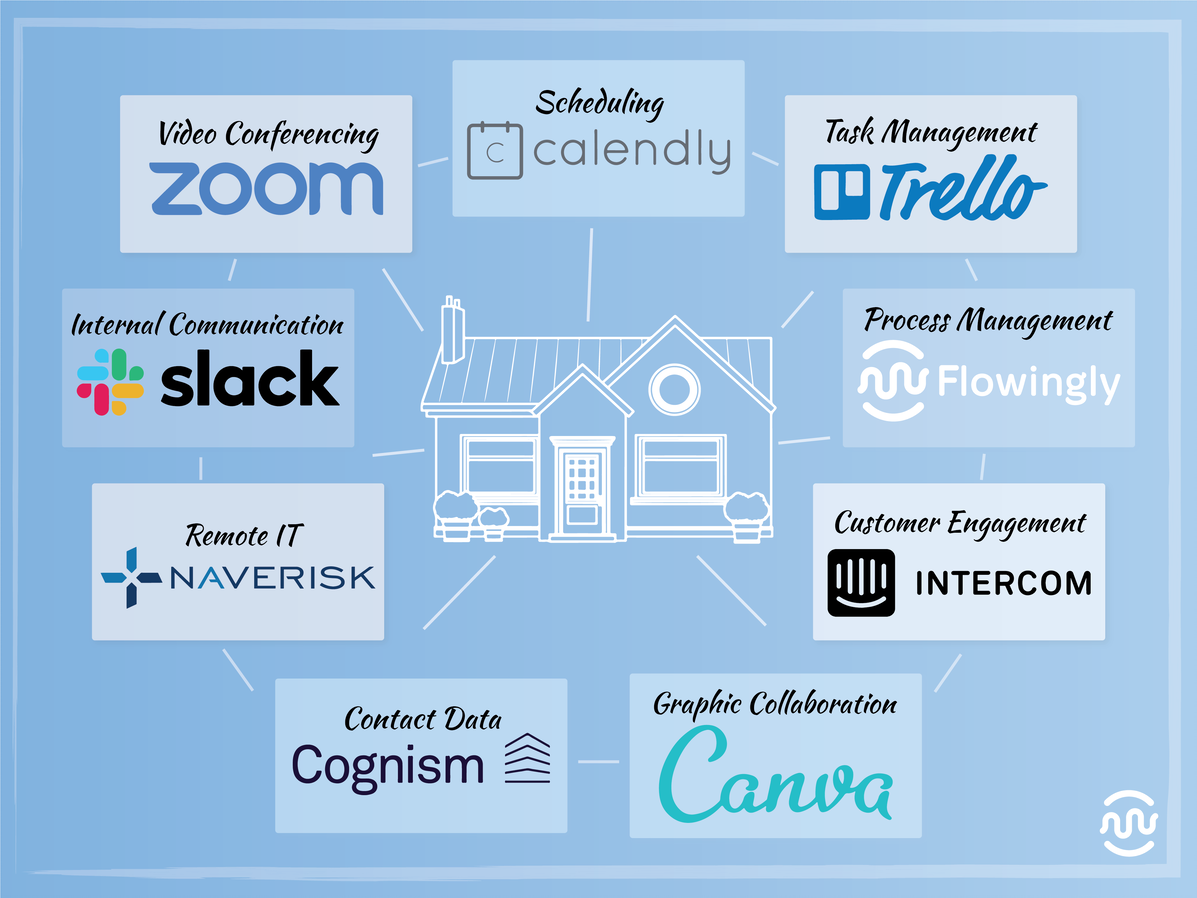
In today's digital landscape, remote work tools have revolutionized the way teams collaborate. Companies are increasingly turning to innovative solutions to enhance productivity and streamline communication. Here are the Top 5 Remote Work Tools Transforming Team Collaboration:
- Slack: This messaging platform facilitates real-time communication, helping teams stay connected regardless of their location. With features like channels, direct messages, and integrations with popular apps, Slack fosters a collaborative environment.
- Trello: Trello's visual project management tool enables teams to organize tasks efficiently. By using boards, lists, and cards, it ensures everyone is on the same page, making project management seamless.
- Zoom: For face-to-face interactions, Zoom provides reliable video conferencing services that enhance remote meetings and team discussions. Its screen-sharing capabilities make collaboration more interactive and effective.
- Asana: This task management software allows teams to assign tasks and track progress with ease. Asana ensures accountability and clarity, helping teams achieve their goals in real-time.
- Miro: A digital whiteboard tool, Miro encourages creativity and brainstorming sessions. Teams can visualize their ideas and collaborate in a dynamic way, making it perfect for strategic planning.
How to Choose the Best Software for Your Remote Work Setup
Choosing the best software for your remote work setup is crucial for maintaining productivity and collaboration. Start by assessing your team's specific needs. Consider functionalities like project management, communication, and file sharing. Tools like Slack for communication, Trello for project management, and Google Drive for document storage are popular choices. Make a list of required features, and categorize them into 'must-have' and 'nice-to-have.' This approach will enable you to filter out unnecessary software and focus on the essentials that can enhance your workflow.
Once you have a clear understanding of your needs, it’s time to explore the options available. Look for software that offers a free trial or demo; this will allow you to test its compatibility with your team's workflow. Additionally, consider factors such as user interface, integration capabilities, and customer support. Engaging with your team for their input during the selection process can help ensure everyone is on board, leading to better adoption. Ultimately, the right software will streamline your remote work experience and promote effective collaboration across your team.
What are the Key Features of Effective Remote Work Software?
In today's digital landscape, effective remote work software is essential for maintaining productivity and collaboration among distributed teams. Key features that enhance these applications include real-time collaboration tools, which allow team members to work together seamlessly on projects regardless of their physical locations. This is often complemented by file sharing capabilities that enable users to upload, share, and manage documents securely within the platform. Moreover, a robust task management system integrated into the software helps teams to organize, prioritize, and track work efficiently, ensuring everyone stays aligned with deadlines and project goals.
Another critical aspect of effective remote work software is the inclusion of communication features, such as chat and video conferencing options, which facilitate direct interaction among team members. This fosters a collaborative culture even when teams are not co-located. Additionally, analytics and reporting tools provide valuable insights into team productivity and project progress, allowing managers to make data-driven decisions. Lastly, ensuring that the software is user-friendly and intuitive is vital for encouraging adoption and minimizing the learning curve for team members who might be less tech-savvy.